

Ultimate Grooming Routine Tips for Dogs That Shed Year-Round
If you’re a dog owner with a furry companion that constantly sheds, you know it can be both a love and a challenge. Dogs that shed year-round often have thick coats, making grooming an essential part of their care routine. Regular grooming not only keeps your home cleaner but also promotes your dog’s overall health and happiness. In this article, we’ll explore the most effective strategies and tips for managing continuous shedding, from understanding their shedding cycle to choosing the right grooming tools, with the goal of making your grooming sessions more manageable and your dog healthier.
Understanding the Shedding Cycle of Dogs Who Shed Year-Round
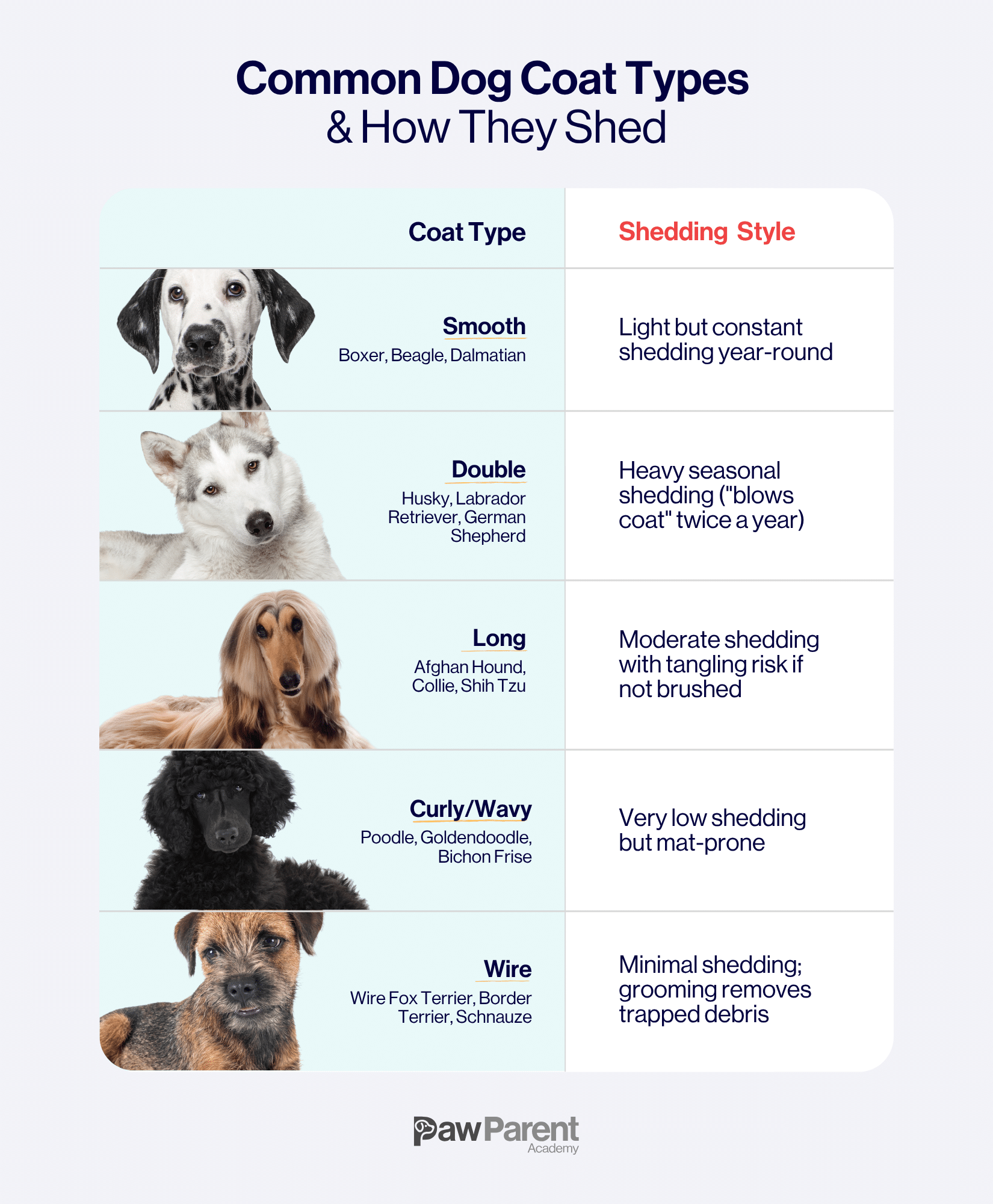
Knowing why and how your dog sheds can make a huge difference in managing their coat and minimizing mess. Dogs who shed year-round typically belong to breeds with double coats, such as Siberian Huskies, Golden Retrievers, or German Shepherds. These breeds shed continuously as part of their natural adaptation to regulate their body temperature and maintain healthy skin.
The shedding process in such dogs involves multiple factors, including seasonal changes, health, diet, and environment. While some shedding is normal, excessive or uneven shedding might signal underlying health issues or nutritional deficiencies. Recognizing signs like patchy hair loss, dry skin, or frequent itching can help you catch problems early. Understanding that shedding is a natural cycle helps set realistic expectations, and knowing that it occurs constantly means your grooming routine needs to be consistent and targeted.
Most dogs shed in cycles involving active shedding phases and periods of slower hair loss. For example, some may shed more in spring and fall, but those with thick coats can shed steadily throughout the year. This continuous shedding is driven by the hair growth cycle, which includes the anagen (growth), catagen (transition), and telogen (resting) phases. During the telogen phase, old hairs fall out to make room for new growth, and in dogs with dense coats, this process happens more frequently. Understanding these cycles allows you to tailor your grooming routine to the needs of your dog, ensuring their coat stays healthy and their shedding is under control.
Tip: If your dog’s shedding seems excessive or abnormal, consult your vet to rule out allergies, parasites, or skin conditions. A healthy dog with a balanced diet and proper care typically sheds at a manageable rate.
Essential Brushing and Grooming Techniques for Continuous Shedding Control
Consistent brushing is the cornerstone of managing year-round shedding in dogs with thick coats. Regular grooming not only reduces loose hair around your home but also stimulates healthy skin and hair follicles. For shedding-prone breeds, aim to brush your dog at least 3-4 times a week, if not daily, especially during heavy shedding periods. Using a slicker brush or undercoat rake can effectively loosen and remove loose hair, preventing mats and reducing the amount of fur that ends up on your furniture.
When grooming your dog, start from the head and gradually work down to the tail, ensuring you cover all areas, including behind the ears, under the legs, and the belly. Be gentle around sensitive regions and use proper techniques to avoid skin irritation. For dogs with dense undercoats, an undercoat rake or deshedding tool can penetrate deep into the coat, pulling out dead hair without damaging healthy strands. This not only minimizes shedding but also promotes airflow to the skin, helping prevent hot spots and skin issues.
In addition to brushing, regular bathing with a gentle dog shampoo helps loosen and remove loose hairs. Follow up with a thorough towel dry or blow-drying on a low, cool setting. Drying is particularly important for thick-coated breeds, as it helps prevent matting and skin irritation caused by trapped moisture. Remember, grooming is not just about removing loose hair—it’s also an opportunity to check for skin abnormalities, parasites, or signs of irritation. Incorporating these techniques into your routine ensures your dog stays comfortable, clean, and less prone to excessive shedding.
Pro Tip: Incorporate grooming into a positive experience with treats and praise. Regular handling makes grooming easier and less stressful for your dog.
Choosing the Right Grooming Products and Tools for Thick-Coated Dogs
Selecting the appropriate grooming tools is crucial for effectively managing your dog’s coat and reducing year-round shedding. For thick, double-coated breeds, investing in high-quality brushes and tools designed specifically for dense coats will make a noticeable difference. A slicker brush with fine wire bristles helps remove loose hair and prevents mats, while an undercoat rake can reach deep into the dense layer beneath the top coat to pull out dead hair.
Deshedder tools, such as the FURminator, are popular among dog owners because they are designed to effectively reduce shedding by removing loose undercoat hair without damaging the skin or the healthy outer coat. When choosing grooming products, opt for ones with ergonomic handles and adjustable settings for comfort and control. For bathing, select gentle, pH-balanced dog shampoos formulated for sensitive skin, especially if your dog shows signs of dryness or irritation.
Don’t forget other grooming essentials like detangling sprays, grooming gloves, and conditioning wipes, which can make routine care easier and more effective. For dogs prone to dryness or skin issues, consider supplements with omega-3 fatty acids, which promote a healthy, shiny coat and can help minimize shedding. Always read product labels carefully and choose products that are veterinarian-approved to ensure they are safe and suitable for your specific breed and skin type.
Bonus: Regularly replace grooming tools as they wear out to maintain their effectiveness and prevent skin injuries or discomfort during grooming sessions.
Bathing and Drying Strategies to Minimize Loose Hair and Skin Issues
Bathing your shedding dog is a vital part of managing loose hair and keeping their skin healthy. The key is to bathe your dog regularly but not excessively; once every 4-8 weeks is generally sufficient, depending on your dog’s coat and lifestyle. Over-bathing can strip natural oils, leading to dry skin and increased shedding, so choose a gentle, moisturizing dog shampoo suitable for thick coats. During the bath, thoroughly wet the coat and work the shampoo into a rich lather, paying close attention to the undercoat and difficult-to-reach areas.
Proper rinsing is just as important as shampooing to remove all residue, which, if left behind, can cause itching and skin irritation. After shampooing, apply a conditioner or detangling spray if your dog’s coat is prone to mats or tangles. This not only makes brushing easier but also helps retain moisture in the skin, reducing dryness and shedding. Use a wide-tooth comb or your fingers to detangle any knots during the bath to prevent mats from forming as the coat dries.
Drying your dog thoroughly is crucial, especially for breeds with thick coats that trap moisture. Use a high-velocity blow dryer on a cool or low heat setting to quickly and evenly dry the coat, brushing at the same time to help shed loose hair. Air-drying is an option, but it takes longer and may lead to mats if the coat isn’t thoroughly dried. Proper drying prevents skin issues like hot spots and fungal infections, which can exacerbate shedding. Remember to check the skin for redness, irritation, or parasites during and after the bath, addressing any concerns promptly.
Pro Tip: Incorporate grooming wipes or dry shampoos between baths for quick clean-ups and to control loose hair more frequently without over-bathing.
Maintaining a Healthy Diet and Skin Care Routine to Reduce Excess Shedding
A well-balanced diet is fundamental in controlling excessive shedding and maintaining a shiny, healthy coat. Ensure your dog’s food contains high-quality protein sources, as hair is primarily made of keratin, a protein. Incorporate omega-3 and omega-6 fatty acids, either through diet or supplements, which are known to improve coat health and reduce inflammation that can lead to shedding and skin issues. Consult your veterinarian for tailored dietary recommendations, especially if your dog has specific health concerns or allergies.
In addition to proper nutrition, implementing a consistent skin care routine can significantly impact shedding levels. Regularly checking your dog’s skin for dryness, irritation, or parasites helps catch problems early. Using gentle, moisturizing sprays or topical treatments recommended by your vet can soothe dry or itchy skin, reducing the urge to scratch and shedding caused by skin irritation. Some dogs benefit from supplements containing biotin, vitamin E, or fish oil, which support skin and coat health from within.
Hydration is often overlooked but is equally important. Make sure your dog always has access to fresh, clean water. Proper hydration supports skin elasticity and overall health, making the coat less brittle and prone to excessive shedding. Avoid overfeeding treats or human food that can promote inflammation or allergenic reactions, which may worsen shedding. By combining a nutritious diet with good skin care practices, you help your dog’s coat become more resilient, shiny, and less prone to excessive shedding.
Final thought: Regular veterinary check-ups, a balanced diet, and attentive skin care form the foundation of a healthy coat, helping your dog shed less and stay comfortable all year round.
Conclusion
Managing the constant shedding of dogs with thick, double coats can seem overwhelming, but with the right knowledge and routine, it becomes much more manageable. Understanding your dog’s shedding cycle allows you to tailor your grooming schedule to their needs, while proper brushing and grooming techniques keep loose hair under control and promote skin health. Choosing the appropriate grooming tools and products designed for dense coats ensures efficiency and comfort during grooming sessions.
Adding regular baths with proper drying techniques minimizes loose hair and prevents skin issues, while maintaining a high-quality diet and skin care routine addresses the root causes of excessive shedding from the inside out. Remember, consistency is key—regular grooming, nutrition, and health checks will result in a happier, healthier dog with a coat that’s less prone to overwhelming shedding.
Taking these steps not only makes your home cleaner but also enhances your dog’s comfort and well-being. So, invest in quality grooming practices, stay patient, and enjoy the wonderful bond that comes with caring for a long-shedding furry friend.