

Why You Should Handle Greasy Fur Weekly for a Healthy, Shiny Coat
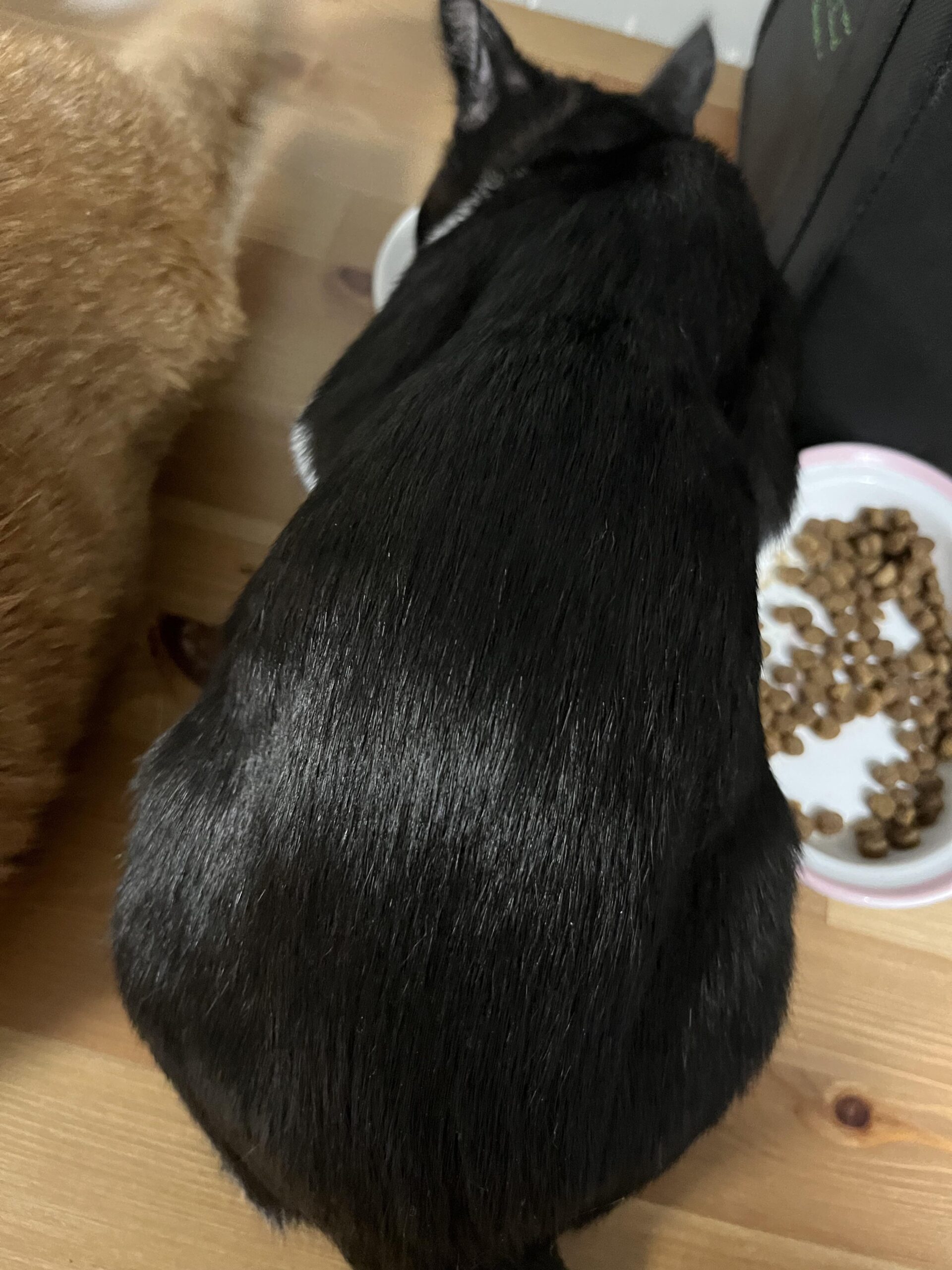
A pet’s fur isn’t just about looks; it’s a vital part of their overall health. Greasy fur can be more than a cosmetic issue—it’s often a sign of underlying skin conditions, excess oil production, or poor grooming habits. Regularly handling greasy fur on a weekly basis can dramatically improve your pet’s coat quality, skin health, and overall well-being. If you’re wondering why consistent grooming matters, how to do it effectively, and what products to use, this article will walk you through everything you need to know. Let’s dive into the importance of weekly greasy fur maintenance and how it benefits your furry friend.
The Importance of Regular Greasy Fur Maintenance for Pet Health
Many pet owners underestimate the significance of routine grooming, especially when it comes to managing greasy fur. Excessive oil buildup can trap dirt, debris, and bacteria, leading to skin infections, irritation, and even foul odors. By tackling greasy fur on a weekly schedule, you help prevent these issues before they become serious problems. Regular maintenance acts as a preventive measure, promoting healthier skin and a shinier, more vibrant coat.
In addition, greasy fur can conceal underlying health problems such as seborrhea, allergies, or hormonal imbalances. When fur is excessively oily, it becomes difficult to spot early signs of skin infections, parasites, or irritation. Weekly grooming allows for close inspection of your pet’s skin, making it easier to identify and address issues promptly. This proactive approach not only keeps your pet comfortable but also reduces costly vet visits and treatments down the line.
Moreover, consistent grooming enhances the natural oils produced by your pet’s skin, distributing them evenly through the fur. This process helps maintain a balanced oil level, preventing dryness or excessive greasiness. It fosters a healthier skin barrier, reducing the risk of dermatitis and other skin conditions. Overall, regular greasy fur handling is a cornerstone of pet healthcare that contributes directly to a shiny, healthy coat and a happier pet.
Effective Techniques for Weekly Greasy Fur Removal and Cleaning
Handling greasy fur effectively requires a gentle yet thorough approach. Start with brushing—using a slicker brush or rubber grooming mitt—to loosen and remove excess oil, dirt, and loose hairs. Brushing stimulates blood flow and distributes natural oils, which can improve fur health and shine. Pay special attention to areas prone to greasiness, such as the neck, back, and behind the ears, ensuring you don’t skip any spots.
Next, consider bathing your pet weekly using a specially formulated pet shampoo designed for oily or greasy fur. Look for products containing mild, natural ingredients like oatmeal or aloe vera, which soothe the skin and help break down excess oils without stripping moisture. When bathing, work the shampoo into a rich lather, gently massage the skin, and rinse thoroughly to remove all residue. Follow up with a conditioner if needed, focusing on detangling and softening the fur.
Finally, after bathing, towel-dry your pet and use a blow dryer on a low, cool setting if necessary. Once dry, a light application of a grooming spray or de-greasing product can help maintain a balanced coat until the next grooming session. Regularly inspecting the fur and skin during grooming sessions is vital—look for signs of redness, swelling, or unusual odors that may require veterinary attention. Consistent, effective grooming techniques keep your pet looking and feeling their best.
Choosing the Right Products and Tools for Greasy Fur Care
The right tools and products make all the difference when managing greasy fur. For brushing, select high-quality slicker brushes or grooming gloves that are gentle yet effective at removing excess oil and loose fur. Avoid using harsh or abrasive tools that can irritate sensitive skin or cause hair breakage. For bathing, opt for pet-specific shampoos formulated to combat oiliness, avoiding human shampoos which can be too harsh or imbalanced for animal skin.
In addition to shampoos, consider incorporating de-greasing sprays or powders designed for pets with oily coats. These products often contain natural ingredients that absorb excess oils, leaving the fur refreshed and clean. When choosing grooming products, always check for hypoallergenic options, especially if your pet has sensitive skin or allergies. Consulting your veterinarian for product recommendations can also help you select safe and effective solutions.
Apart from bathing and grooming tools, having a selection of detangling sprays, soft brushes, and grooming wipes can streamline weekly maintenance. These help in managing greasy fur between baths, keeping the coat tidy and reducing oil build-up. Remember, the quality of tools and products directly impacts the health of your pet’s skin and coat—investing in reliable, pet-safe items will ensure a smoother grooming experience and a healthier, shinier coat.
Preventative Measures to Minimize Grease Build-Up in Fur
Prevention is always better than cure, especially when it comes to greasy fur. Establishing a consistent grooming routine from an early age can significantly reduce the likelihood of excessive oil build-up. Regular brushing distributes natural oils evenly across the fur, preventing localized greasiness and reducing dirt accumulation. Additionally, maintaining a balanced diet rich in omega-3 and omega-6 fatty acids supports skin health and coat shine.
Keep your pet’s environment clean—bedding, toys, and living spaces—to minimize dirt and bacteria that can contribute to greasy fur. Regularly washing your pet’s bedding and cleaning grooming tools also helps prevent the transfer of oils and debris. If your pet is prone to excessive oil production, consult your veterinarian to rule out underlying health issues such as seborrhea, allergies, or hormonal imbalances, which may require specialized treatment.
Lastly, managing stress and ensuring your pet gets regular exercise can positively influence skin and coat health. Stress can increase oil secretion, so providing a calm, enriching environment helps maintain a balanced coat. By implementing these preventative measures, you reduce the need for frequent deep cleaning and promote a naturally healthy, shiny coat. Prevention not only keeps grooming easier but also enhances your pet’s overall wellness and happiness.
Benefits of Consistent Grooming in Maintaining Fur Shine and Skin Health
Consistency is key when it comes to grooming, and the benefits extend far beyond just a shiny coat. Regular grooming stimulates natural oil production, which keeps the fur soft, glossy, and resilient. It also encourages blood circulation, delivering essential nutrients to the skin and hair follicles. Over time, this leads to a healthier coat that reflects your pet’s overall vitality and well-being.
Grooming also provides an opportunity to conduct thorough skin inspections, catching early signs of parasites, infections, or allergies. Early detection allows for prompt intervention, preventing small issues from escalating into more serious health problems. Moreover, maintaining a clean coat reduces the risk of matting, tangles, and skin irritation, ensuring your pet remains comfortable and free of discomfort.
In addition to physical health, regular grooming fosters a stronger bond between you and your pet. The gentle handling and routine care create a sense of trust and security, making grooming sessions a positive experience for your furry friend. The end result is a pet with a beautiful, shiny coat, healthy skin, and a joyful, stress-free grooming routine. Overall, consistent grooming is an investment in your pet’s health, happiness, and appearance.
Conclusion
Handling greasy fur on a weekly basis is a simple yet powerful step toward ensuring your pet’s health and happiness. From understanding the importance of regular maintenance to mastering effective grooming techniques and choosing the right products, each aspect plays a role in maintaining a shiny, healthy coat. Preventative measures, like proper diet and environmental cleanliness, further support this goal by minimizing excessive oil build-up before it starts.
By committing to a consistent grooming routine, you not only enhance your pet’s appearance but also promote their overall skin health and comfort. A well-maintained coat reflects good health and provides a layer of protection against environmental irritants and parasites. So, whether your pet has a long, luxurious coat or a short, sleek one, making weekly grooming a priority will reward you with a happier, healthier furry companion. Start today—your pet will thank you with a radiant, shiny coat and boundless affection.